
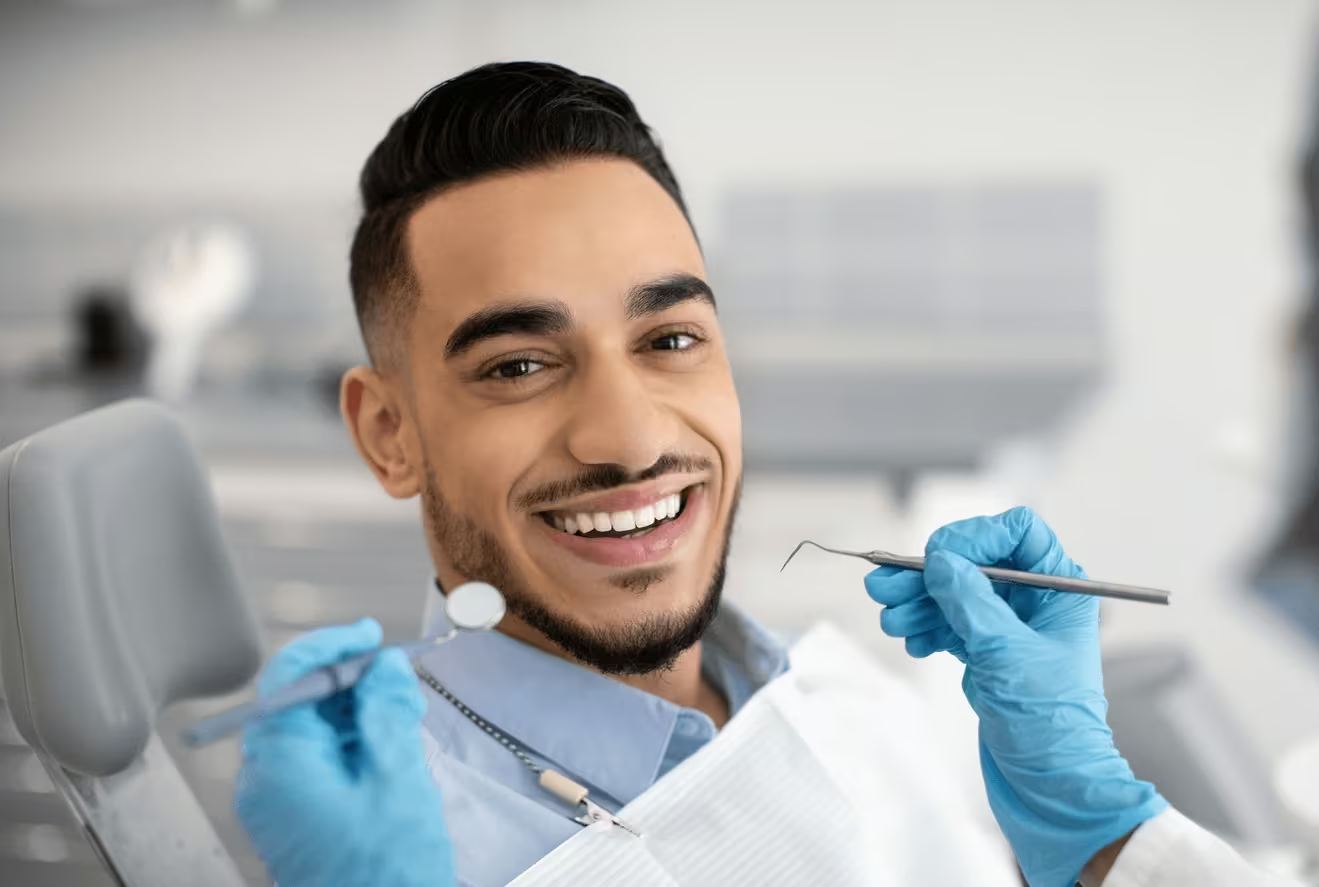
People often think of teenagers being the only ones who get braces. While teens are overwhelmingly more likely to experience this rite of passage, roughly one in three orthodontic patients is an adult, with about 1.9 million adults in active treatment at any given time in the United States. People in their 30s, 40s, and well beyond are choosing orthodontic treatment for many reasons, such as fixing misaligned bites that lead to headaches and TMJ symptoms, and improving smile confidence.
The first decision adults have to make is: traditional braces or Invisalign clear aligners? Both straighten teeth well, and both are backed by years of clinical evidence. The experience, however, is very different.
Continue reading to learn about the major differences between traditional metal braces and Invisalign, including how each one will fit into your lifestyle and which one is best for your specific needs, and where to find the best dentist in Naperville for Invisalign.
How Do Invisalign and Traditional Braces Compare?
The first and most obvious difference between these two treatments is how each one will look. Invisalign aligners are thin, clear plastic trays that fit closely over the teeth, and most people won't notice them at all. Traditional braces, on the other hand, sit on the front of the teeth, so they show when you smile. Appearance often nudges adults toward Invisalign, but it should not be the only factor in the decision. Invisalign requires more discipline since they must be removed before eating or drinking anything except water. They also need to be worn for at least 22 hours a day for the best results. Braces, on the other hand, stay on all the time but come with several food restrictions, like avoiding hard or sticky foods.
Invisalign vs. Traditional Braces: Which is More Comfortable?
Comfort is another huge factor that adults weigh before deciding between traditional braces and clear aligners. Both treatments move teeth by putting pressure on them, so some soreness is part of the process either way. With braces, that soreness tends to peak in the first few days after each adjustment, and the brackets and wires can rub against the inside of the lips and cheeks until the mouth toughens up. Orthodontic wax helps with this. Invisalign trays are smooth, but you’ll still have some soreness when moving up to a new aligner every one or two weeks.
Invisalign vs. Traditional Braces: How Long Does Treatment Take?
For mild to moderate cases, Invisalign treatment typically takes about 12 to 18 months from start to finish. Traditional braces for similar cases usually take longer, often 18 to 24 months, and severe crowding or complex bite issues can extend treatment to two or even three years.
Your Invisalign timeline also depends heavily on consistency. Patients who wear their aligners for the recommended 20 to 22 hours per day are more likely to stay on schedule and complete treatment on time. Frequently forgetting to put aligners back in after eating or brushing can delay progress and extend the overall treatment timeline.
How Do Invisalign and Braces Fit Into Daily Adult Life?
Invisalign aligners can be removed for meals, coffee, brushing, and flossing. That means no food restrictions and a regular oral hygiene routine, which is a real win for those who don’t want to give up their favorite snacks. The trade-off is that you actually have to take them out, keep them in a protective case, and put them back in as soon as possible. Forgetting to put them back in is the most common reason treatment falls behind schedule.
Braces are always on, so they take no extra thought once you get used to them, but they do come with a list of foods to avoid. Popcorn, hard candy, ice, raw apples, and chewy bagels are all off the menu during treatment. Brushing also takes a few extra minutes every day to clean around the brackets. Additionally, braces need an adjustment every four to six weeks while Invisalign check-ins are spaced further out, often every six to ten weeks, which is easier on a packed work calendar.
Which Treatment Option is Right for You and Your Smile?
The best option is the one that fits your lifestyle and can achieve everything you need it to. The only way to know for sure is to have the best dentist in Naperville evaluate your orthodontic needs. As a general guide, Invisalign tends to work well for mild to moderate tooth crowding, small gaps between the teeth, minor bite misalignments, and minor shifting of teeth after years of not wearing a retainer. Traditional braces are often the best choice for severe dental crowding, rotated or twisted teeth, or severely misaligned bites that require a lot of tooth movement.
Finding the Best Dentist in Naperville for Invisalign
Invisalign is the clear choice for most adults who want to straighten their teeth, and getting started starts with finding a dental provider who offers the best Invisalign in Naperville.
Dr. Don Jonker is a member of the American Academy of Clear Aligners and an expert in Invisalign treatment. At Naperville Family Dentistry, you can always expect a warm, welcoming environment, precision treatment, and results that you’ll love showing off.
Our modern dental office is equipped with all the latest dental technology, including digital dental design technology that allows us to show you what your smile will look like before treatment even begins.
Ready to get a straight, beautiful smile with help from the best dentist in Naperville?
.svg)


.svg)

.svg)


.svg)